The crowd became the visuals.
I built a live show where the audience drew with light and the projections answered instantly. West End Johnnie's Underground, Boston, February 1, 2025, with Pirone Productions.
Make the room part of the show.
LUCA IMMERSIVE makes multi-sensory live experiences led by the character LUCA, mixing visual storytelling, music, and interactive technology. For this event the goal was simple to say and hard to build: the audience should not watch the visuals, they should make them.
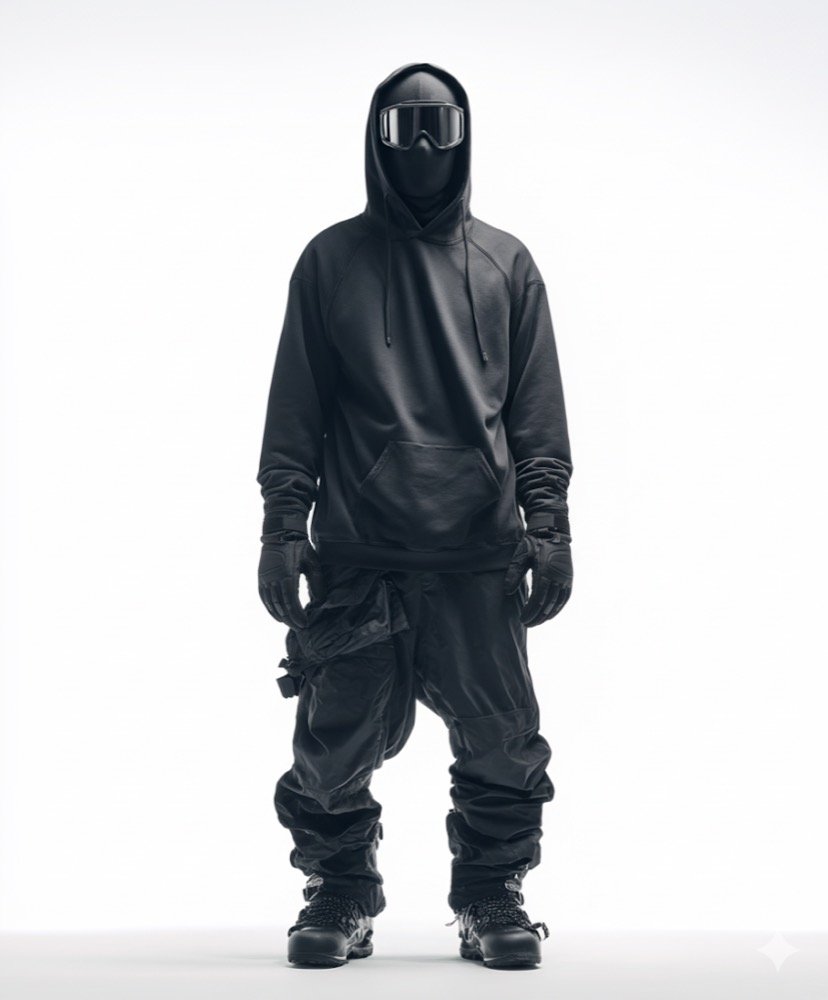
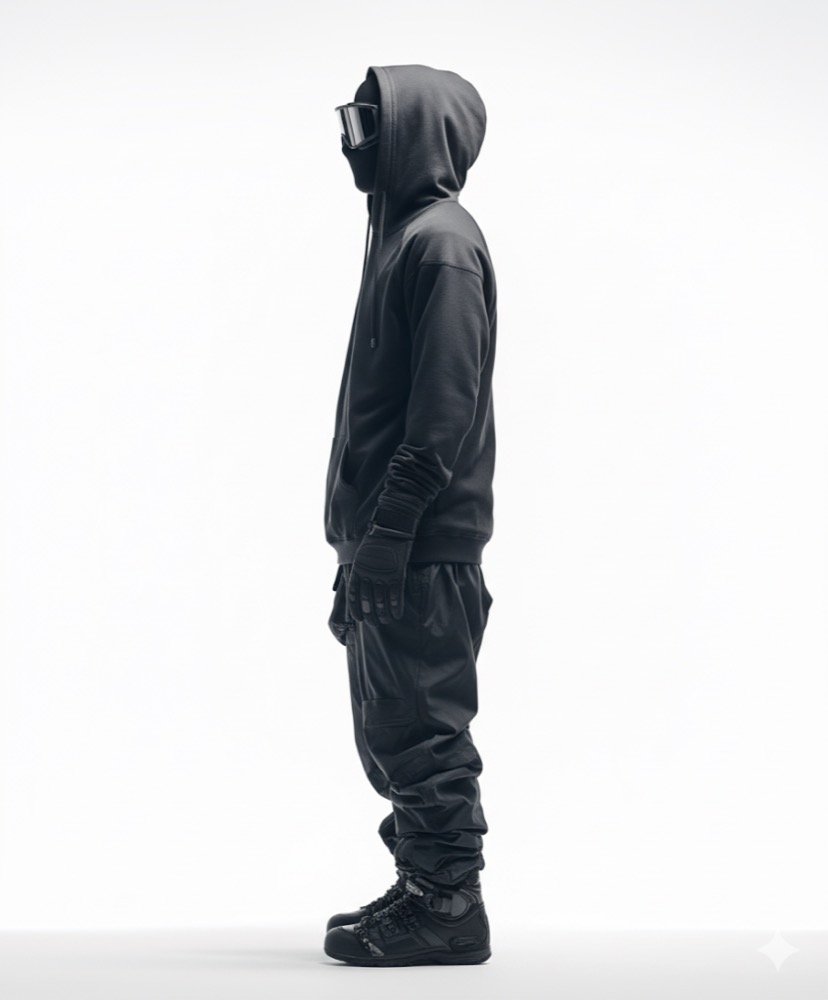
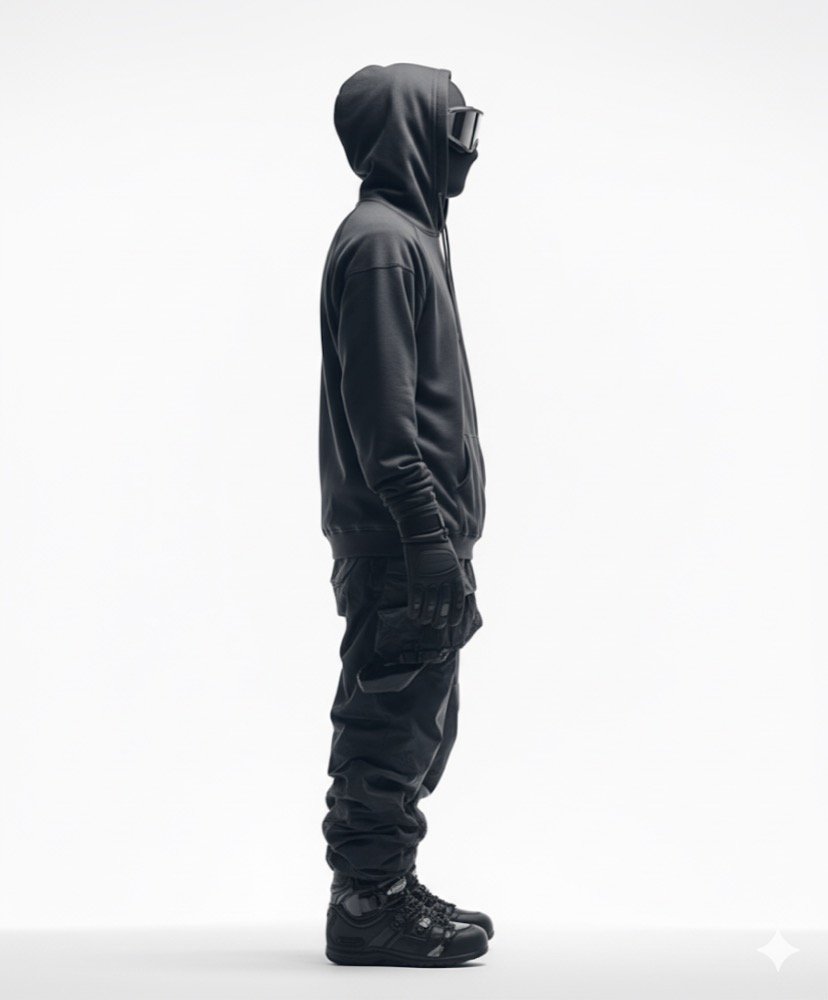
LUCA, designed head to toe.
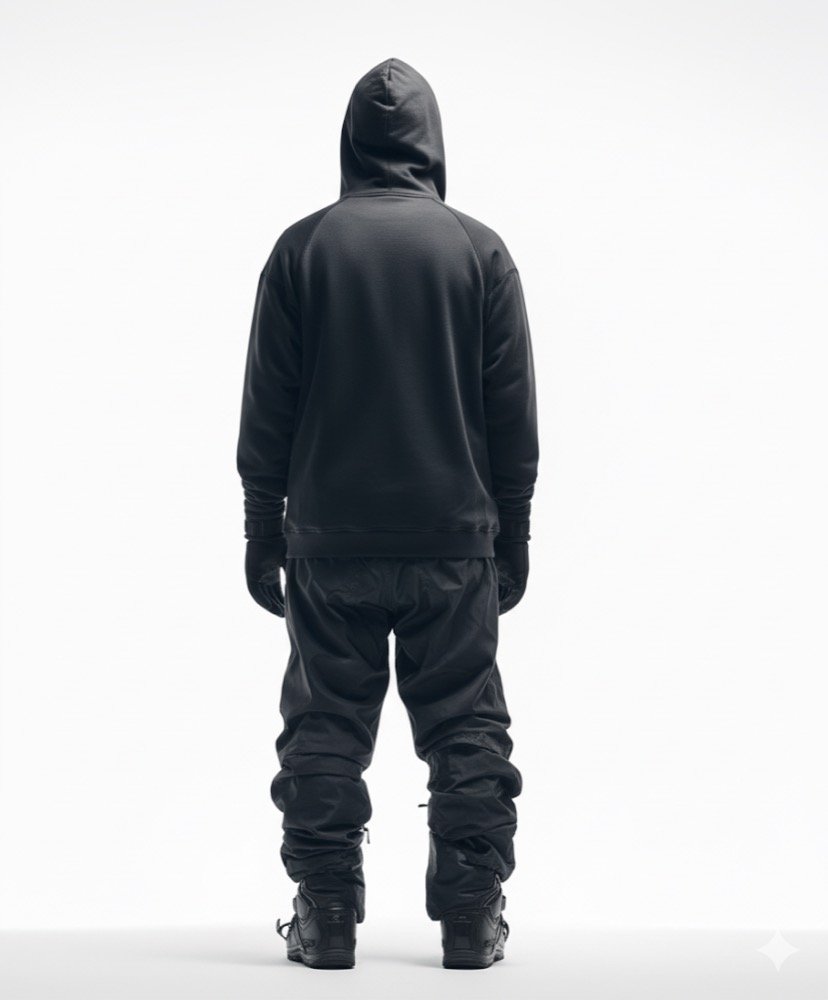
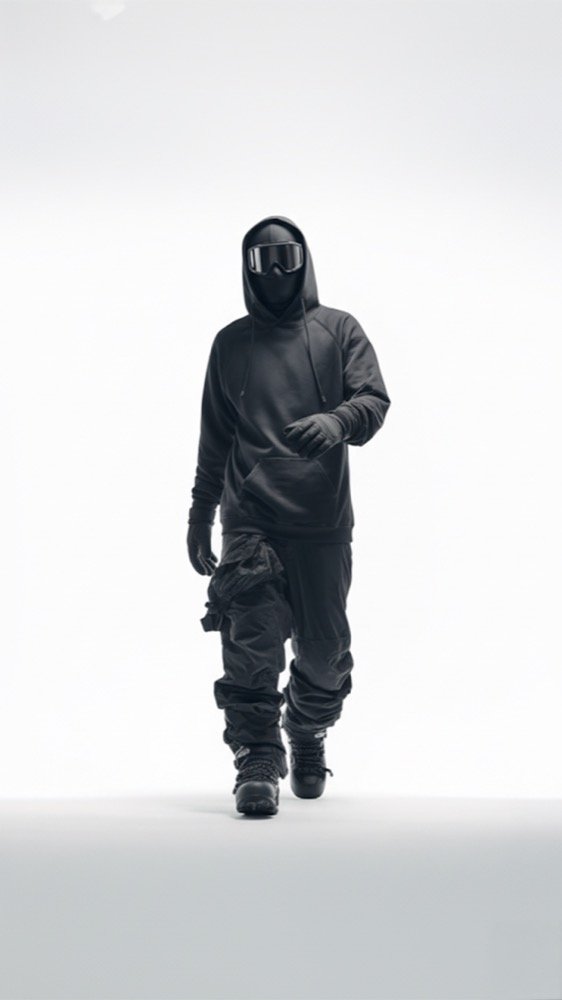
The show has a face. LUCA is the character the whole world is built around, so I designed the look first and let everything else follow from it. The silhouette had to read across a dark room, hold up in close-up on camera, and still work flat on a poster.
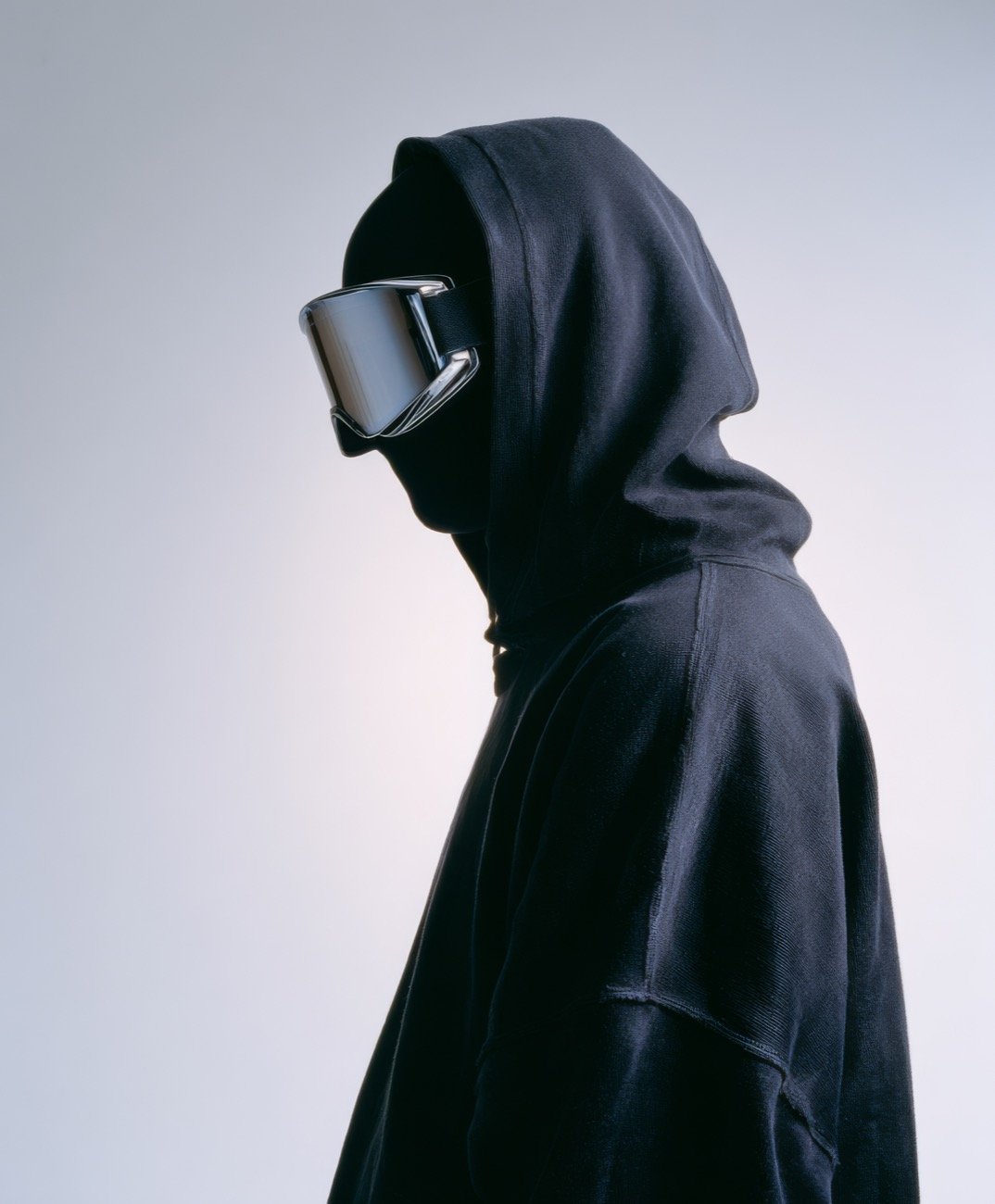
Turnaround
Four angles, so anyone building a scene, a poster, or a costume works from the same reference.
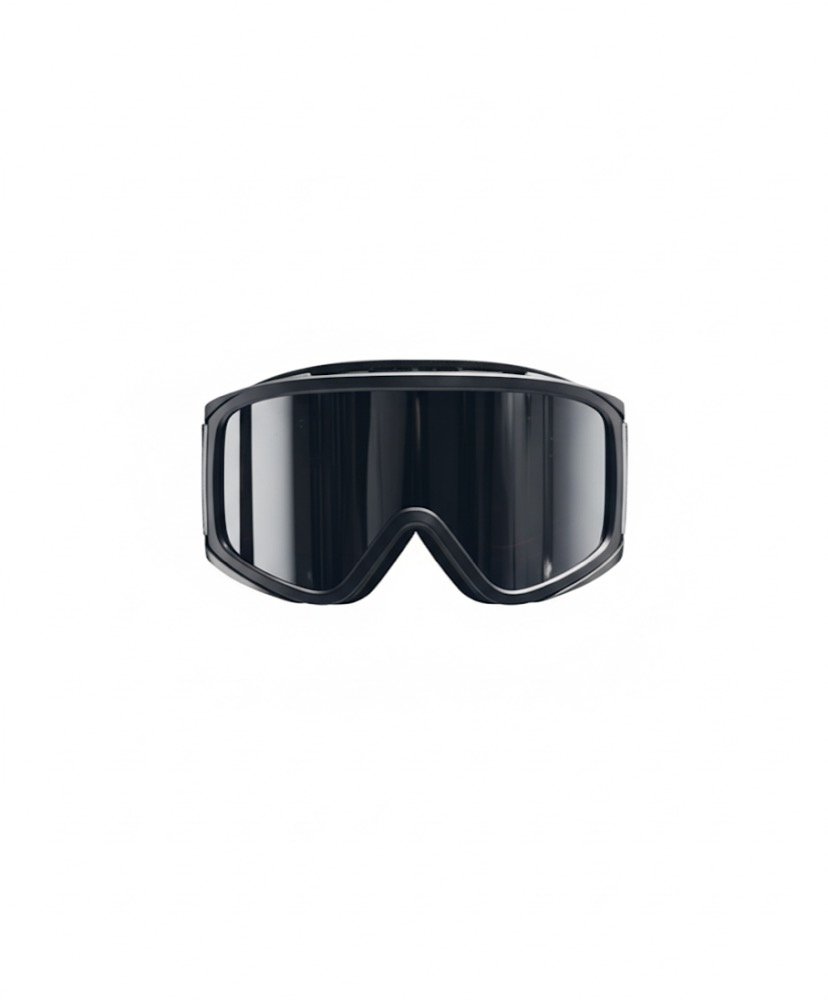
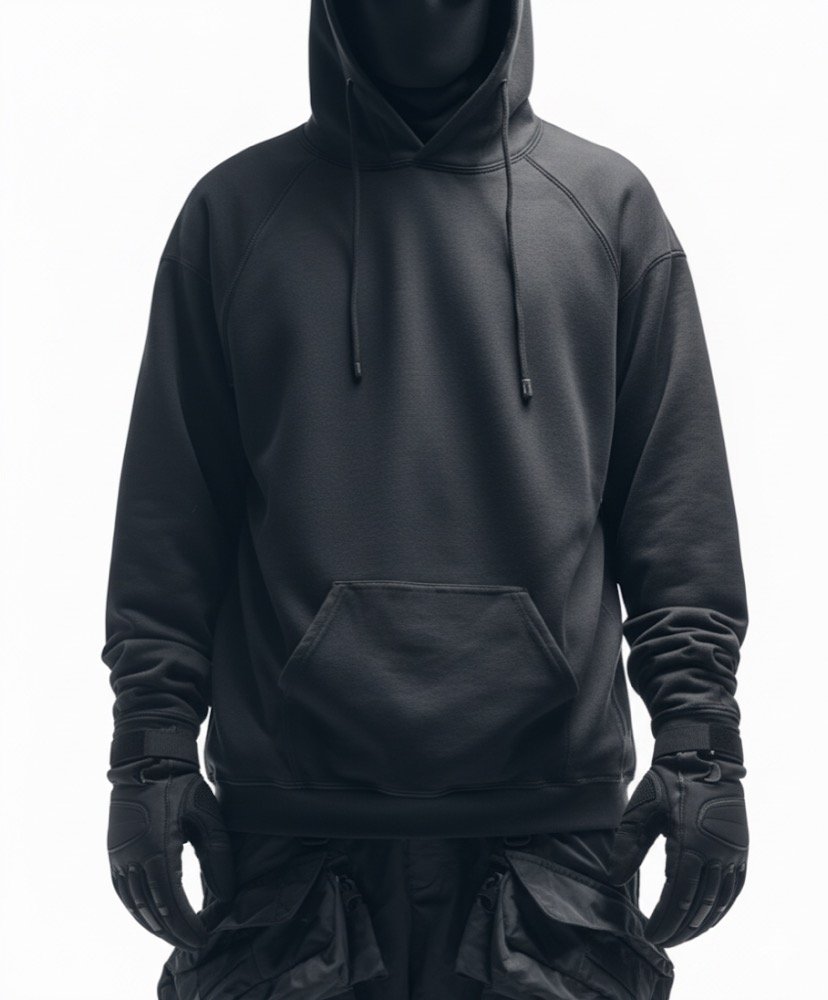
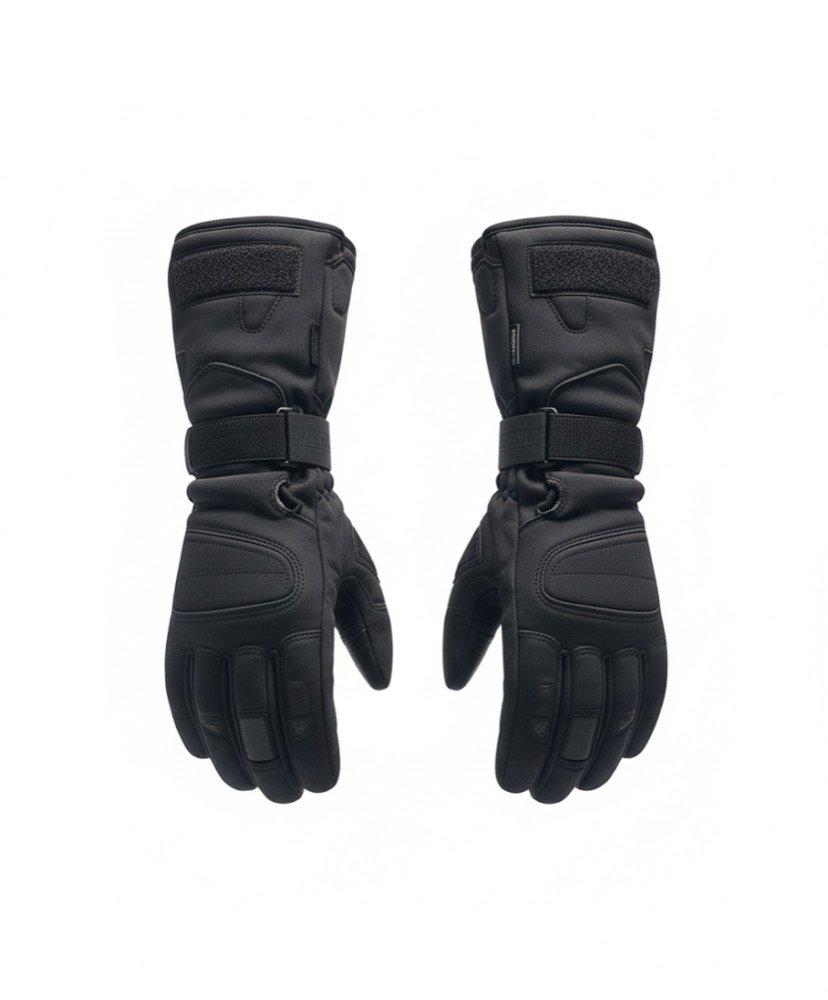
The details
Every piece was drawn on purpose. The goggles read from the back of a room, the gloves and boots carry the same material language, and nothing on the suit is decoration for its own sake.

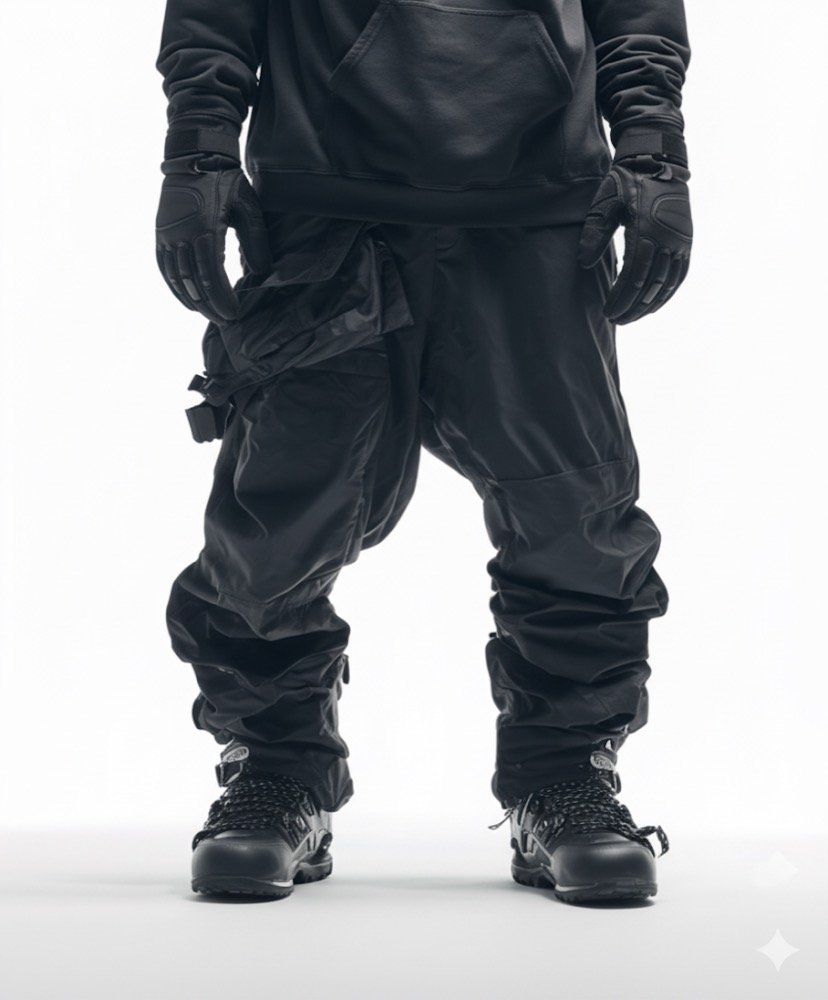
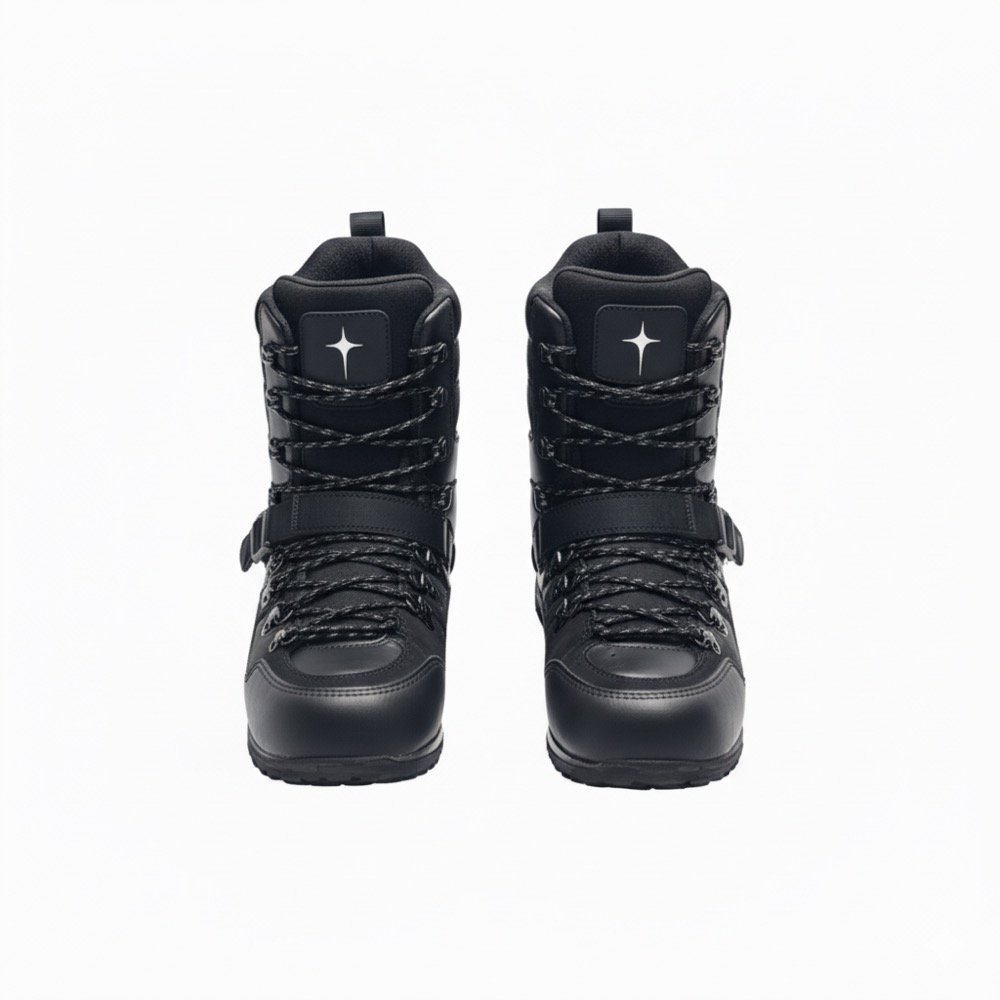
Where the character comes from.
A character alone is a costume. The world is what makes it a story, so I built the place LUCA moves through: the light, the landscape, and the mood the live show would later borrow from.
Designing the world first meant the event had a source to pull from. The projections, the posters, and the room all came from the same visual language instead of being matched up after the fact.
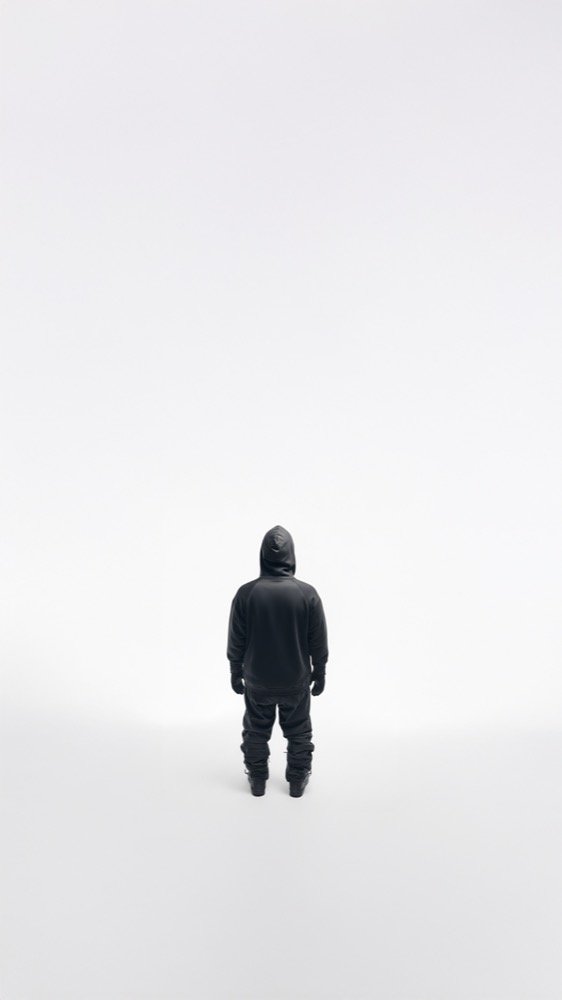
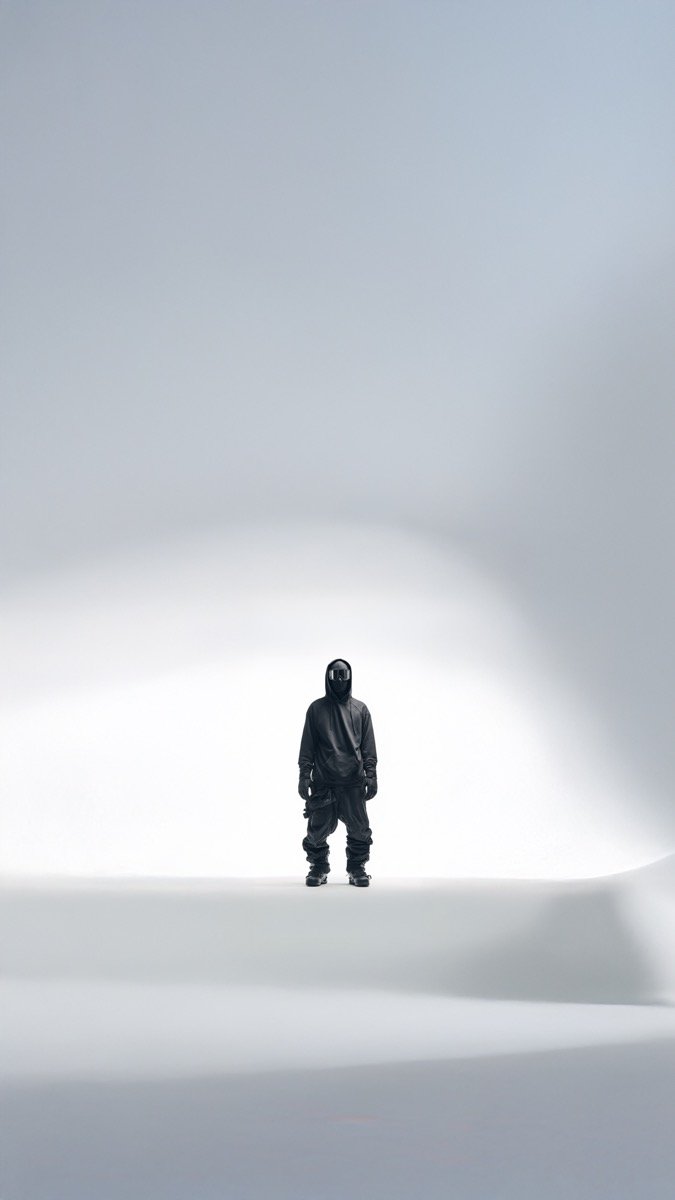
The build was the show before the show.
For the month before the event, the build itself became the content. Vlogs, hype edits, and collabs built the world online before anyone walked through the door.

The ticket page needed the same treatment. Posh data showed that around 20% of ticket buyers found the event by scrolling the main Posh feed, and that 90 to 95% of the event posters in that feed were static images. In a feed of still posters, motion was the fastest way to catch the eye.
So I rebuilt the poster as an animated stage preview: lasers, lights, and motion hinting at what the night could become. It became the page background, and because that animation also plays inside every shared link preview, every text someone sent moved too.
We handed the visuals to the room.
The whole show ran on a four-step loop with no delay in it. What the crowd did with their hands appeared on the building a moment later.
01 · The crowd held the tools
Attendees drew with light using laser pointers and flashlights attached to their LUCA IMMERSIVE wristbands.
02 · A live feed caught it
A GoPro streamed the room into the computer. The eye of the whole system.
03 · Effects added live
I layered effects in real time in Resolume: RGB splits and delay, turning the light into colorful tracers and echoes.
04 · Projected instantly
Projection mapped onto the front facade and a background screen. The room watched itself become the art.
Something happens when an experience is truly immersive. It sparks play and collaboration you cannot predict. The visuals stopped being a backdrop and became something people made together.
A full production, not just a night.
Journey of Creation was captured, mixed, marketed, and sold end to end: multicam capture from two angles plus a screen recording of the visuals, cut into content afterward.
50% of all profits were donated to the California Fire Foundation.
The interactive format was the marketing. Because the show made its own eye-catching content, promotion cost nothing beyond the design, and one in five ticket buyers arrived straight from that content in the feed.